The Missile Defense Alert Is Lying To You
Texas officials insist this morning's missile defense alert was a false alarm. But multiple agencies appear to be acting otherwise, with personnel reportedly retreating to bunkers and declining to answer questions.
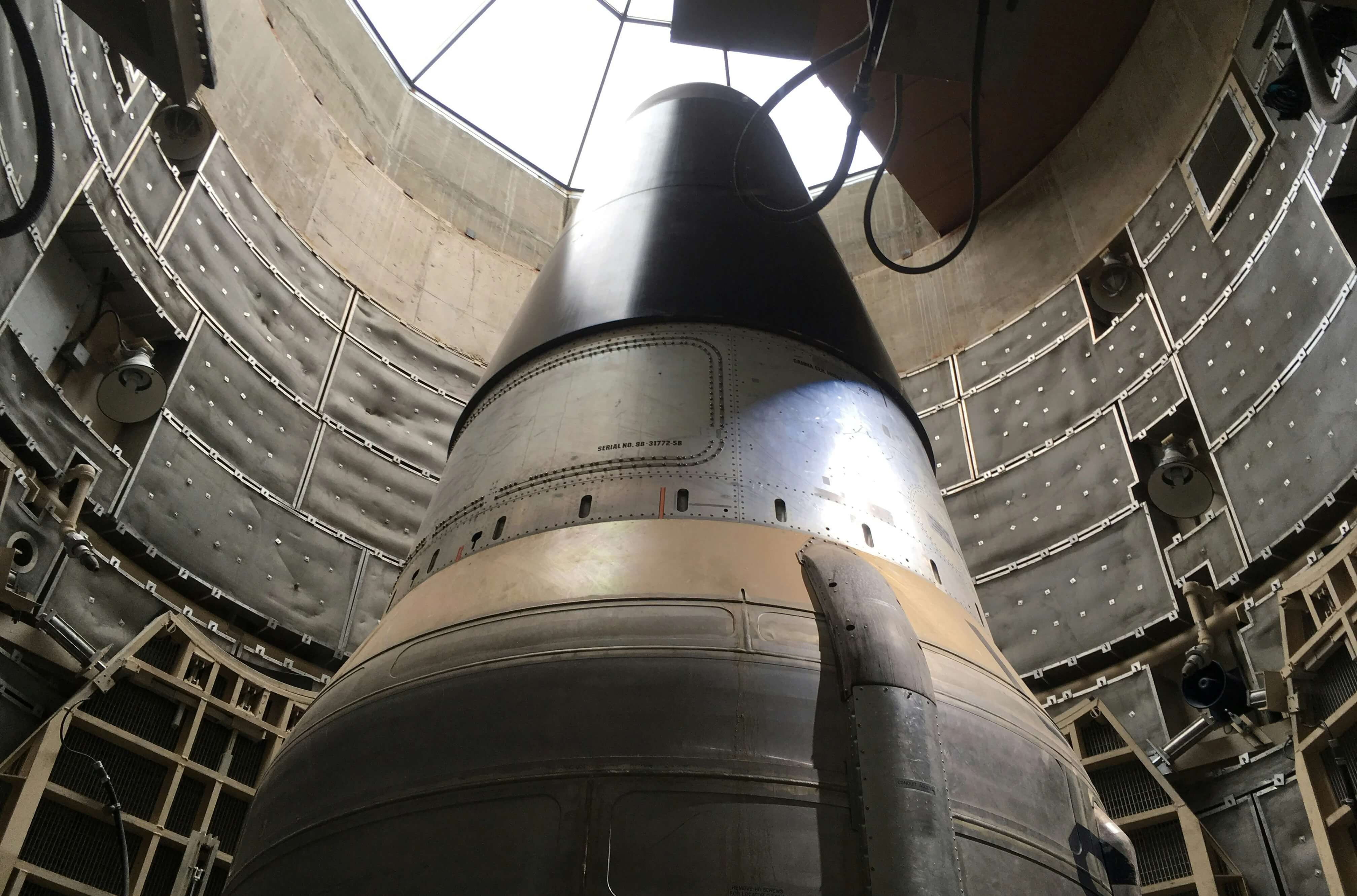
A growing number of questions remain unanswered following this morning's missile defense alert, which state and federal officials continue to describe as a false alarm. While government agencies have repeatedly assured the public there is no active threat, several developments throughout the day appear inconsistent with those statements, prompting renewed scrutiny from emergency management experts and local officials.
Multiple employees at state and federal facilities, speaking anonymously because they were not authorized to discuss internal operations, described what they called an "unusual escalation" in security procedures shortly after the alert was issued. Several offices reportedly suspended visitor access, while others instructed employees to remain inside until further notice. Although such measures can occur during routine security reviews, officials have declined to explain whether today's actions were connected to the alert.
Witnesses near military installations in Central Texas also reported increased vehicle traffic entering secured compounds throughout the morning. Video shared on social media appears to show emergency personnel and military vehicles arriving at several facilities, though none of the footage has been independently verified by The Austin Post. Representatives from the Department of Defense referred all questions to previously released statements describing the incident as an accidental activation of emergency notification systems.
The apparent disconnect between official messaging and observable government activity has fueled widespread speculation online. Several prominent emergency preparedness commentators have questioned why agencies would continue implementing elevated security measures if authorities were confident no threat existed. Others argue the response may simply reflect standard protocol while investigators determine how the alert was mistakenly issued.
Cybersecurity researchers contacted by The Austin Post cautioned against drawing immediate conclusions, noting that emergency communication failures often trigger extensive precautionary procedures regardless of whether an actual threat exists. One analyst explained that it is entirely possible for officials to conduct a comprehensive readiness review without there being any danger to the public.
Even so, public confidence has continued to erode as new photographs and eyewitness accounts circulate across social media platforms faster than officials have addressed them. Several government agencies have disabled public comments on recent social media posts, while scheduled press briefings have either been shortened or postponed without explanation.
The Texas Division of Emergency Management again urged residents to rely only on verified government information and to disregard unconfirmed reports circulating online. As of publication, officials continue to maintain that there is no ongoing emergency requiring public action.
This is a developing story and will be updated as more information becomes available.